Why Belgian beers have such lasting appeal
Beers are loved because they rarely feel one-note. Even a lighter bottle can carry spice, soft fruit, honeyed malt or a dry finish that keeps you coming back for another sip. The country’s brewing culture gives you plenty of routes to follow, so you can start with something easy and gradually move into stronger, richer or more unusual styles.
For a relaxed introduction, Belgian Lagers work well because they keep the clean, refreshing feel many drinkers already enjoy, while still carrying the polish and character associated with Belgian brewing. They are the kind of beers that suit a stocked fridge, a casual dinner or a few drinks with friends when you want flavour without asking too much of the palate.
There is also a sense of occasion in many Belgian bottles. Some are corked, some are brewed to be savoured slowly, and plenty feel right for sharing at the table. That makes the collection useful when you want something more interesting than a standard case of lager, without having to guess your way through styles you do not know.
A range for different drinkers
Belgium is not built around one single beer style. That is a big part of its appeal. You can move between light, golden, spicy, malty, fruity, sour and strong beers without leaving the same brewing tradition.
A few common routes include:
• Blonde ales for smooth malt, gentle sweetness and a clean finish.
• Witbier for citrus, spice and soft wheat character.
• Tripels for strength, warmth and lively yeast notes.
• Dubbels and Quadrupels for darker fruit, malt and slow sipping.
• Lambic, Gueuze and fruit beers for tartness, acidity and bright flavour.
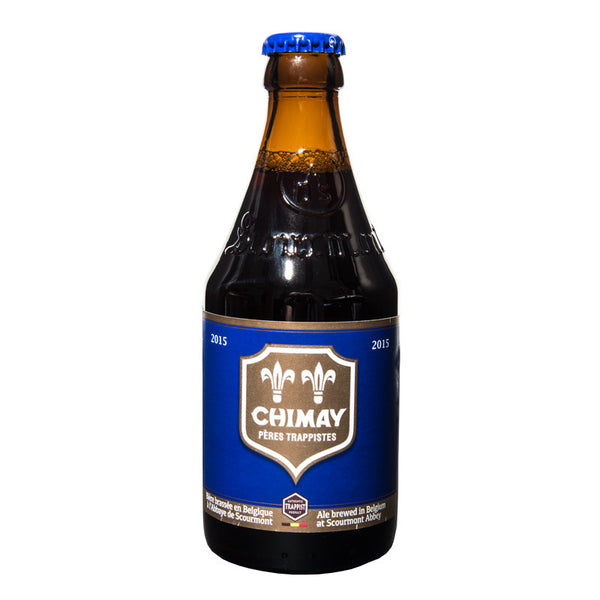
If someone is new to beers, the softer end of the range is usually a good place to begin. Belgian Blonde Beers offer an approachable balance of golden colour, rounded malt and subtle spice, making them a strong choice for drinkers who want depth without anything too heavy.
For regular craft beer drinkers, the appeal is often in the yeast character. Belgian brewing can bring flavours you do not always find in hop-led modern beers, including clove, pear, banana, pepper, honey and dry herbal notes. Those flavours can make even a simple-looking bottle feel layered.
The sour side of Belgium
Belgian sour styles are a world of their own. They can be sharp, dry, funky, fruity, vinous or refreshing, depending on the brewery and method. This is where Lambic, Gueuze, Flemish Red and fruit-led styles become such a talking point, especially for people who already enjoy natural wine, cider or sharper fruit flavours.
These beers are not always about sweetness. Some cherry and raspberry beers can be bright and juicy, but the best examples balance fruit with acidity and fermentation character. That balance makes them excellent with food, particularly richer dishes that need something to cut through the fat.
There is plenty of room to experiment here:
• Try Gueuze with cheese, charcuterie or salty snacks.
• Pair Kriek with duck, pork or dark chocolate.
• Serve Flemish Red with roasted vegetables or slow-cooked beef.
• Keep lighter fruit beers chilled for warm afternoons and relaxed drinking.
For anyone drawn to tart, wild or barrel-aged styles, Belgian sour beers bring some of the most distinctive bottles in the wider Belgian range. They are not always the safest pick for every drinker, but for the right person they can be the bottle that gets remembered.
Stronger bottles with plenty to say
Many beers from Belgium sit at a higher ABV than standard lager or pale ale, but strength is only part of the story. Tripels, strong blondes and Quadrupels tend to carry their alcohol with balance, using lively carbonation, spice and layered malt to keep the beer from feeling flat or heavy.
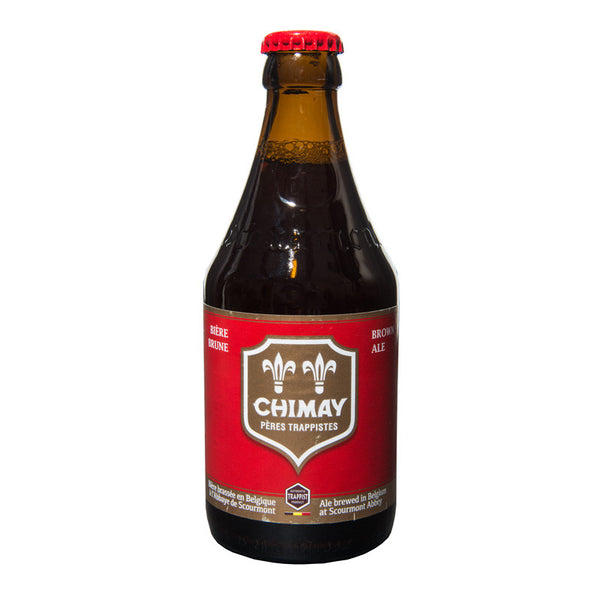
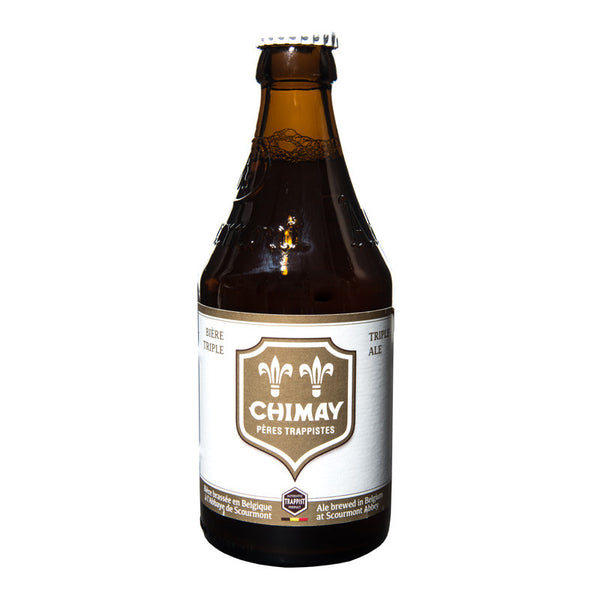
A Tripel can be golden, dry, warming and deceptively drinkable. It often suits people who like a beer with presence, but still want brightness rather than roasted or stout-like flavours. Dubbels and Quadrupels lean darker, with notes that can bring to mind raisin, fig, brown sugar, spice and toasted bread.
Belgian styles also reward slower drinking. They are well suited to smaller pours, quiet evenings and meals where the beer is part of the experience rather than something in the background. A bottle such as a Belgian Tripel can make sense for anyone building a small selection around stronger, more expressive beers.
How to choose the right bottle
A good way to shop beers is to think about the moment first. Some bottles are made for easy refreshment, while others are better treated like something you open, share and talk about. The label will help, but flavour preference matters more than style names alone.
For an easy-drinking route, look for:
• Lager, Witbier or Blonde styles.
• Lower to mid-strength ABVs.
• Citrus, biscuit, wheat or light spice notes.
• Beers described as crisp, dry or refreshing.
For something richer, look towards Dubbel, Tripel, Quadrupel or Abbey styles. These tend to suit evenings, winter meals, cheese boards and slower drinking. They can also work well as gifts because they feel more considered than a standard pack.If you are buying for someone else, mixed selections can remove the guesswork. Belgian beer mixed cases are useful when you want variety across styles, rather than choosing one bottle and hoping it suits. They also give the drinker a better feel for how broad Belgian brewing can be.
Why buy from The Epicurean?
Buying beer online should feel simple, but the choice can become overwhelming fast. Our job is to make that choice easier. We bring together beers that earn their place, with a range that covers recognisable classics, interesting styles and bottles that are worth opening at the right time.
We also understand that people shop in different ways. Some know exactly what they like. Some want a gift. Some want to try a few styles before settling on a favourite. The collection is built with that in mind, so you can pick up crisp fridge fillers, stronger sharing bottles or something more unusual for a meal or a weekend.
Good beer has personality. It can be bright, soft, sharp, rich, dry, spicy or warming, sometimes all in the same glass. With the right selection, it becomes much easier to find the bottle that suits your taste, your plans and the people you are drinking with.