Why Stout And Porter Beer Offers More Variety Than It First Appears
Stout/Porter Beer is often grouped together as dark, rich and heavy, but that description only tells part of the story. Porter can be smooth, malt-led and relatively easy-drinking, while dry stout may feel lean, roasted and refreshing.
Move towards milk stout and the texture becomes softer and sweeter. Imperial stouts and stronger porters can take the same dark malt foundation into much richer territory.
Modern breweries have widened the category again. Coffee, chocolate, vanilla, fruit, spices, nuts and barrel ageing can all appear, giving drinkers choices that range from straightforward pub beer to bottles made for slow sipping and sharing.
What Do Stout And Porter Taste Like?
Roasted and darker malts are central to the flavour of both styles. Depending on the recipe, they can create anything from gentle toastiness to intense espresso, cocoa, caramel or charred notes.
You may find:
• Coffee, espresso or roasted grain
• Dark or milk chocolate
• Toast, bread crust and biscuit
• Caramel, toffee or treacle
• Vanilla or creamy sweetness
• Raisin, plum, cherry or other dark fruit
• Nutty flavours
• A dry, bitter finish or a softer sweet one
Dark colour does not automatically mean sweetness or strength. A porter can be smooth and relatively light, while a strong Imperial stout may be thick, warming and designed for much slower drinking.
For a different kind of malt-led beer, Bitter/Traditional Ale gives you a useful comparison with lighter British styles built around biscuit, toast and earthy hops.
Porter, Dry Stout, Milk Stout And Imperial Stout
The style name gives you a useful clue about how the beer is likely to be drunk.
Porter
Porter usually combines toasted and dark malt character with a smoother, less sharply roasted profile than many stouts. Chocolate, caramel, nuts, coffee and bread crust are common tasting notes.
Some porters are light enough for an easy pint, while stronger versions can become much richer and more warming.
Dry Stout
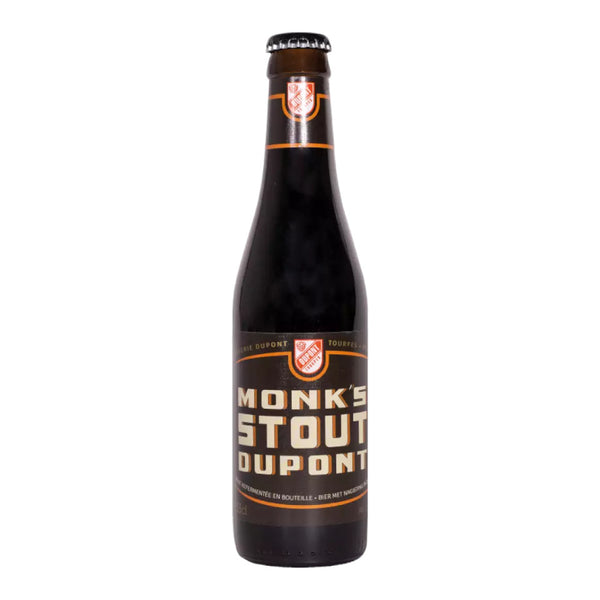
Dry stout generally places roasted grain at the centre of the flavour. Coffee, cocoa and toasted notes are common, supported by a dry finish that stops the beer from feeling overly rich.
Many examples are moderate in strength and easier drinking than their dark appearance might suggest.
Milk Stout
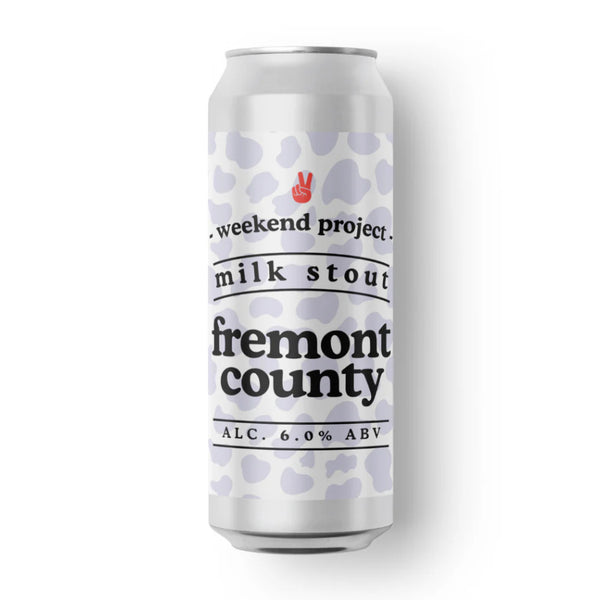
Milk stout is brewed with lactose, a sugar brewing yeast that does not fully ferment. This leaves additional sweetness and body in the finished beer.
Expect a softer texture and flavours that can suggest milk chocolate, caramel, coffee or cream. Modern versions sometimes add ingredients such as coconut, vanilla or cacao.
Imperial Stout And Strong Porter
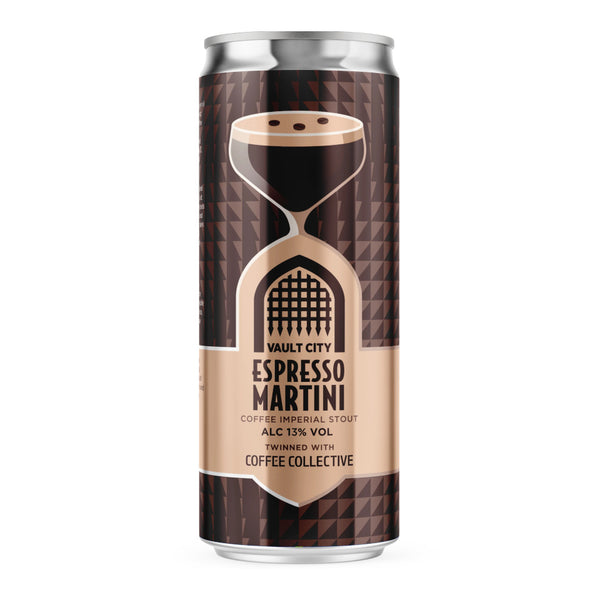
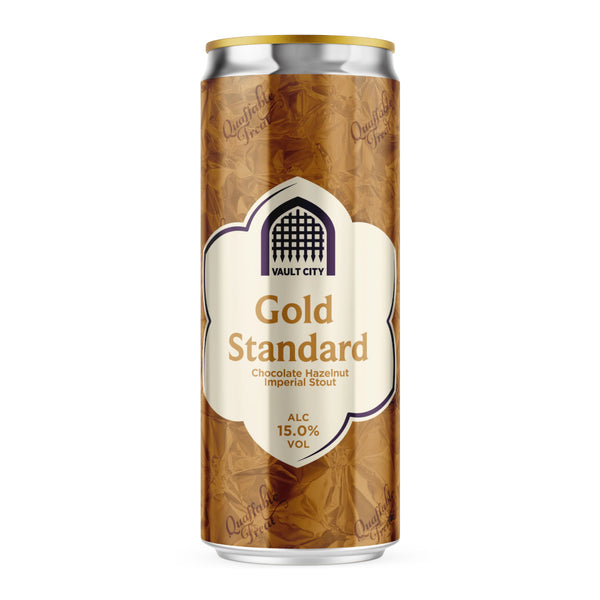
Imperial stout sits at the stronger end of the category. A bigger malt bill can bring greater alcohol, body and concentration, with dark chocolate, coffee, treacle, dried fruit and warming alcohol all possible.
Strong porters can occupy similar territory, although the precise dividing line between stout and porter varies between breweries.
Stout Versus Porter
The distinction between stout and porter is not always clear-cut. Historically, stout developed from stronger forms of porter, and modern breweries do not all use the names in exactly the same way.
In general terms, porter often leans towards chocolate, caramel, toast and smoother dark malt character, while stout may place greater emphasis on roasted grain, coffee and dryness.
That difference is useful as a guide rather than a fixed rule. The brewery description, strength and tasting notes usually tell you more about the finished beer than the name alone.
Drinkers who enjoy malt-led styles but want something lighter can also compare these beers with British beers, where dark ale sits alongside bitter, lager, pale ale and other UK styles.
Traditional Dark Beer Versus Modern Craft Versions
Traditional stout and porter usually allow malt, roast and bitterness to do most of the work. The flavour can be direct, with coffee, toast, chocolate and caramel coming through without large additions of other ingredients.
Modern craft versions can head in a very different direction. Brewers may use fruit, chocolate, coffee beans, nuts, spices or wood to build flavour around the dark malt base.
Neither approach replaces the other. A classic porter or dry stout works when you want something balanced and familiar, while a heavily flavoured beer makes more sense when you want the drink itself to be the focus.
The contrast is similar to what you find in pale ale beers, where traditional balance and modern fruit-led brewing can sit within the same broad family.
Who This Collection Is For
Stout and porter can appeal to people coming from several different directions.
Coffee and dark chocolate drinkers may find roasted flavours immediately familiar. Someone who normally drinks traditional ale may enjoy the malt-led nature of porter or dry stout, while fans of stronger craft beer can move towards Imperial versions.
Sweeter milk and flavoured stouts can also suit drinkers who find dry beer too bitter. Their fuller body and dessert-like flavours provide a very different experience from lager, pale ale or IPA.
Porter can be a particularly good entry point for someone who wants dark beer without immediately moving into the strongest or most intensely roasted end of the category.
Choosing A Dark Beer For The Occasion
Think about when you plan to drink the beer before choosing purely by flavour.
A lower-strength porter or dry stout works well for a casual evening, pub-style drinking at home or a couple of beers with friends. They give you plenty of dark malt flavour without demanding a slow pace.
Milk stout suits a more relaxed evening when you want something softer and sweeter. It can work particularly well after dinner, especially if the beer includes chocolate, coffee or vanilla notes.
Imperial stout and stronger porter belong at the slower end. Higher strength and greater body make one bottle or can feel more substantial, particularly when shared.
For somebody who enjoys trying different breweries and styles, the beer gifts range gives you another way to pair dark beer with other craft favourites.
Food Pairings For Stour And Porter
Dark beer can work very well with food because roasted and toasted malt connects naturally with charred, grilled and caramelised flavours.
A porter can sit comfortably alongside burgers, roast pork, sausages and hard cheese. Dry stout works well with oysters, grilled meat and savoury pies, where its dryness helps keep richer dishes balanced.
Try matching different styles with:
• Porter with burgers, sausages or mature cheese
• Dry stout with oysters, fish and chips or grilled meat
• Milk stout with barbecue or creamy cheese
• Chocolate stout with brownies or chocolate pudding
• Coffee stout with tiramisu or coffee-based desserts
• Imperial stout with beef, blue cheese or rich puddings
Sweetness matters when pairing with dessert. A dry beer can taste harsher beside something very sweet, so milk stout or stronger dark beer usually works better.
Order Stout And Porter Online
Buying Stout/Porter Beer online gives you more choice than simply picking between one or two familiar dark beers. You can compare smooth porter with dry stout, sweet milk stout, creative flavoured releases and stronger Imperial beers.
The Epicurean stocks beers from established and independent breweries, giving you the chance to choose according to flavour, strength and occasion.
Start with a traditional porter, try a roasted dry stout, move towards something softer and sweeter, or choose a stronger bottle when you want coffee, chocolate, dark fruit and malt to take centre stage.