How Cider Develops its Flavour
Every cider begins with apples, but the fruit and production choices shape what reaches the glass. Dessert apples bring freshness and familiar fruit notes, while bittersweet and bittersharp varieties contribute tannin, acidity and depth. Producers may use one variety or blend several apples for balance.
Fermentation turns the juice’s natural sugars into alcohol. Time and temperature influence aroma, sweetness and texture, while ageing can soften sharper flavours. Some makers retain a little sweetness; others allow a dry finish. Carbonation determines whether the result is softly sparkling, lively or still.
Many producers in our selection sit comfortably alongside the breweries in our British and Irish beers range. Both traditions value local ingredients, regional identity and careful production, yet every bottle has its own balance.
Dry, Medium or Sweet?
Choosing cider becomes easier once you know how much sweetness you enjoy. Dry examples let tannin, acidity and fermented fruit lead, often giving a clean finish. Medium styles retain rounded apple flavour and provide an accessible middle ground. Sweeter bottles put ripe fruit first and offer a softer finish.
Sweetness is only part of the decision. A dry drink can still taste full and fruity, while a sweet one may have enough acidity to remain bright. Other useful clues include:
• Still or sparkling, which changes the texture and sense of freshness
• Light and clean or tannic and structured
• Fresh apple flavours or deeper baked-fruit notes
• Traditional orchard character or added fruit
• Lower strength for relaxed drinking or a stronger bottle for slow serving
Fruit-led bottles may also appeal to people who enjoy the sweetness and acidity found in Belgian fruit beers. The methods differ, but comparing them can reveal which fruit profiles and finishes suit your palate.
Styles Worth Getting to Know
The category covers much more than one familiar pub pour or a standard draught apple drink. Different apples, places and techniques create bottles for very different moods and occasions.
Traditional Apple Styles
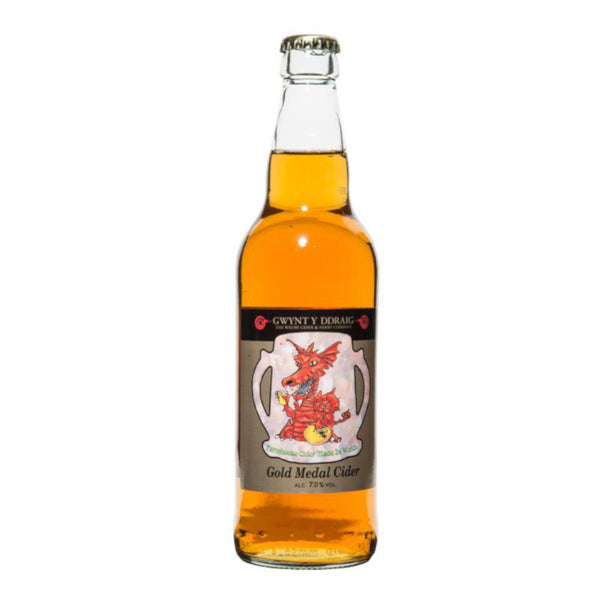
Expect fresh apple, peel, gentle earthiness and tannin. Dry farmhouse expressions can be structured and savoury, while sparkling versions focus more on freshness.
Fruit-Infused Bottles
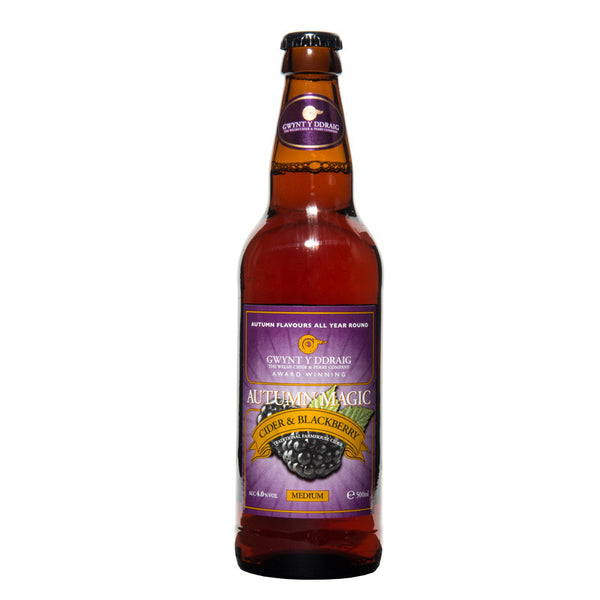
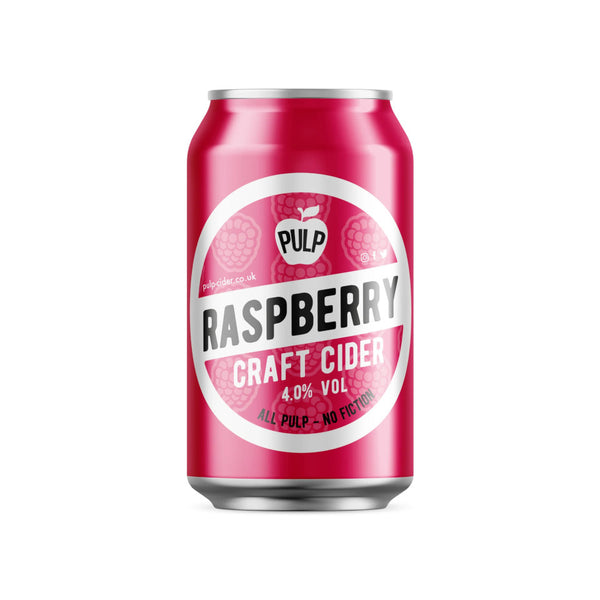
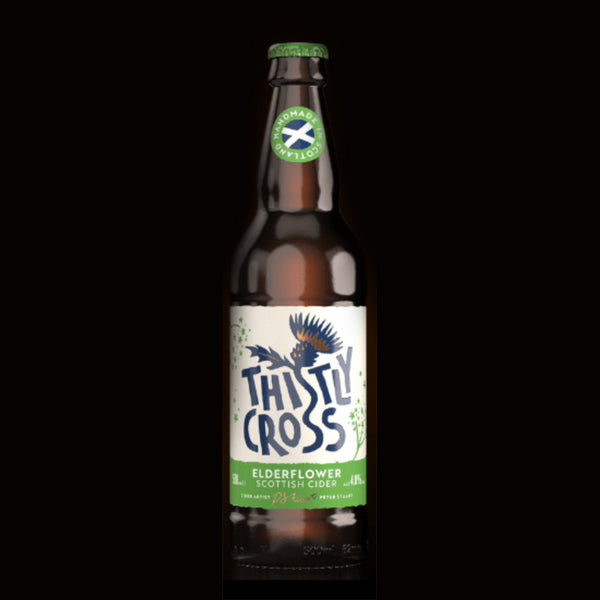
Berries, rhubarb, mango, lime and elderflower can introduce tartness, fragrance or sweetness. Good examples keep the apple present rather than masking it.
Perry
Perry is made with pears rather than apples. It may offer floral aromas, soft fruit, gentle sweetness and a fine sparkle, although dry versions are also produced. It offers a clear alternative to an apple-led bottle.
Strength varies across all three groups, so check each product before ordering. If alcohol content is a main consideration for your mixed box, our no and low alcohol beer selection adds variety when guests have different preferences.
How to Serve Cider at it’s Best
Most bottles are refreshing when chilled, but ice-cold temperatures can mute aroma. A short rest out of the fridge helps fuller, tannic styles open up. Use a clean glass with enough room to appreciate the aroma.
Pour gently if the drink has visible sediment. Leave the final small amount behind for a clearer glass or include it if the producer recommends doing so. Check the label, particularly with bottle-conditioned drinks.
A well-chosen drink works comfortably at the table. Match by weight and contrast:
• Dry, sparkling styles cut through pork, sausages and mature Cheddar
• Medium apple flavours work with roast chicken, pies and ploughman’s lunches
• Berry or rhubarb blends complement fruit desserts and creamy puddings
• Perry suits soft cheeses, salads and lighter dishes
• Sweeter expressions can balance salty snacks or spicy food
The regularly changing staff picks bring together noteworthy drinks already enjoyed by our team. They offer a useful route into unfamiliar producers without limiting your order to one style.
Building a Selection for an Occasion
One bottle may be enough for dinner, but a mixed order suits parties, tastings and weekends with friends. Start with contrast: one dry apple bottle, one softer option, a fruit-infused choice and perhaps a perry. This gives guests clear differences to compare.
For an informal tasting, serve small measures in a clear order. Begin with the lightest and driest bottle, move through medium and fruit-led styles, then finish with the sweetest or most tannic. Provide water and plain crackers between pours, and keep the product labels nearby so everyone can note the producer, strength and ingredients without making the tasting overly formal.
Presentation matters when the drinks are being given to someone else. A single bottle can work on its own, while a broader selection suits birthdays, thank-you presents and hosts. Our craft beer, wine and spirits gifts allow you to combine different drinks when the recipient’s preferences are not completely clear.
Find Your Next Favourite
Start with familiar flavours, then add a bottle offering something different. A dry farmhouse option, bright fruit blend or gently sparkling perry can show how varied this category is. Browse the collection, compare the details and build an order around your taste.