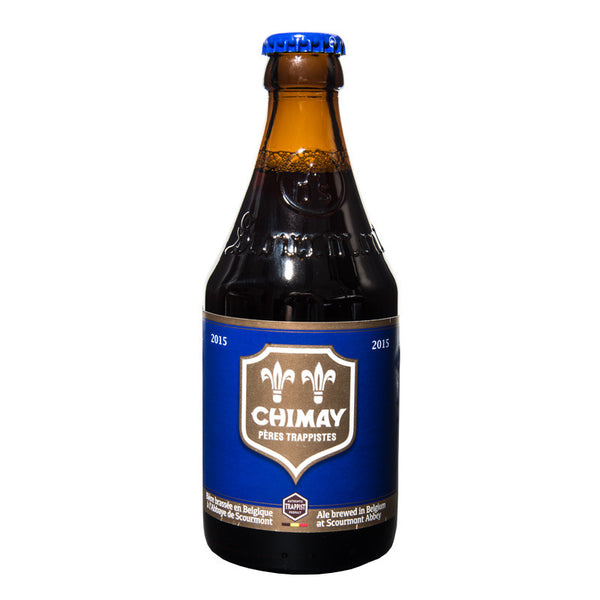
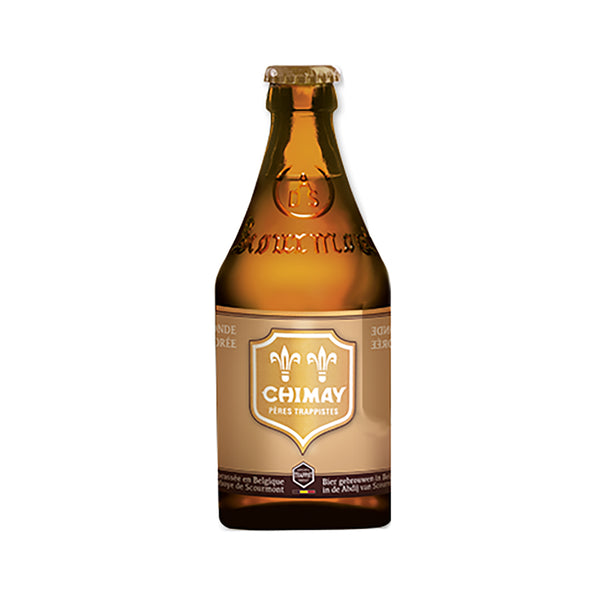
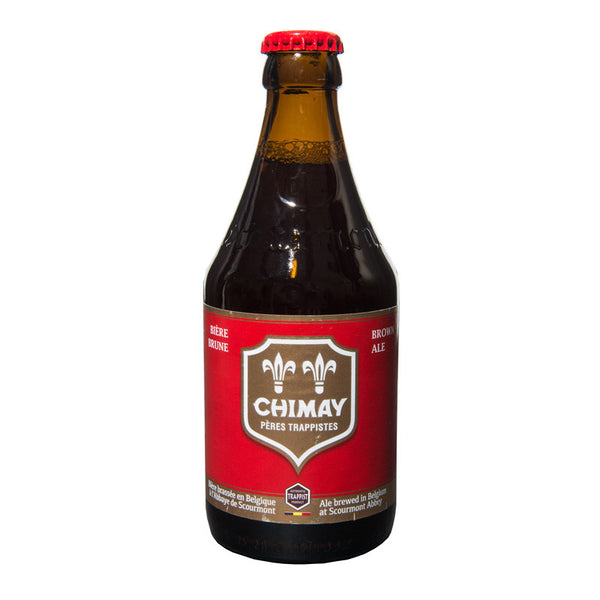
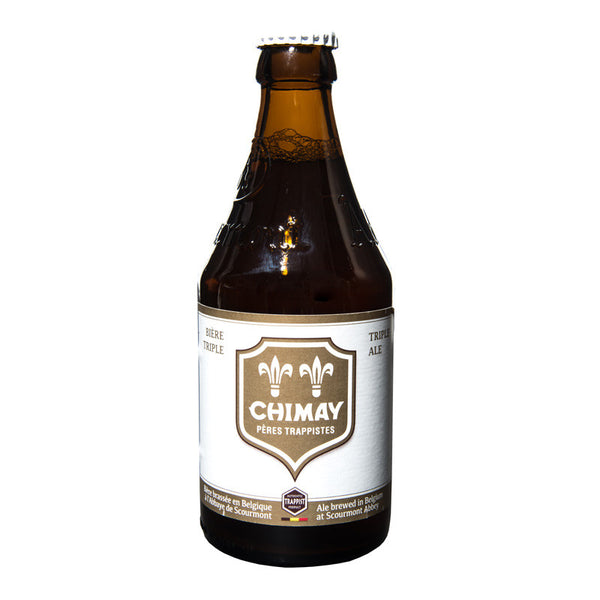
What Makes Belgian Trappist Beer Different
The important thing about Belgian Trappist beer is that Trappist refers to its connection with a monastic community rather than a particular recipe. Beers carrying recognised Trappist status are produced within or around a Trappist abbey, under the supervision of the monastic community, with income supporting the monastery, charitable work and other approved purposes
That means two Trappist beers can taste completely different. One might be pale, dry and highly carbonated, while another can be dark, fruity and rich. What connects them is their brewing origin rather than a single flavour profile.
This makes Trappist beer quite different from broader Belgian beers, where the range can include Trappist brewing alongside saisons, lambics, witbier, fruit beer, lager and newer Belgian craft styles.
What To Expect From Trappist Beer
There is no standard Trappist taste, although many examples place more emphasis on malt and fermentation character than on large quantities of modern aromatic hops. Belgian yeast can produce fruit, spice and peppery notes, while malt and brewing sugars can add anything from light bread and honey to caramel, dried fruit and toasted flavours.
Depending on the beer, you might find:
* Pear, apple, banana or stone fruit
* Pepper, clove and gentle spice
* Bread, biscuit, caramel or toasted malt
* Raisin, fig, plum or other dried fruit
* High carbonation and a lively mouthfeel
* Dryness that balances a stronger ABV
* Gentle bitterness rather than an intensely hop-led finish
Some bottles are surprisingly light on the palate despite their strength. Others are deliberately richer and better suited to drinking slowly. This range of flavours is a big part of the appeal for people who like comparing traditional beers rather than sticking to one familiar style.
From Blonde And Dubbel To Tripel And Stronger Beer
One of the best ways to approach Trappist beer is to look at the style of beer inside the bottle rather than relying on the Trappist name alone.
Lighter blonde beers can bring pale malt, fruit, soft spice and a relatively dry finish. They are often an accessible starting point for people who want Belgian fermentation character without moving straight into a dark or very strong beer. The wider Belgian Blonde beers range provides a useful comparison with both Trappist and non-Trappist examples of this style.
Dubbels tend to move towards darker malt, caramel, dried fruit and a little more body. They can feel rich without necessarily becoming heavy.
Tripels usually look much paler than their strength suggests. Expect lively carbonation, fruit, spice, pale malt and noticeable alcohol warmth. Our Belgian Tripel collection shows how this strong golden style can vary between traditional and more modern Belgian breweries.
At the richer end, darker strong ales can bring plum, raisin, fig, caramel, bread crust and warming alcohol. These are beers better suited to slower drinking rather than treating them like an everyday fridge lager.
Who This Collection Is For
Belgian Trappist beer suits drinkers who want depth without relying on huge hop aromas or extreme bitterness. The flavours often come from the interaction between malt, yeast, fermentation and strength, which gives the beer a different personality from many modern craft styles.
It can be a particularly good choice for:
* Belgian beer drinkers interested in traditional brewing
* People moving from stronger ales into European beer
* Drinkers who enjoy fruit, malt and spice more than intense hops
* Anyone looking for a beer to drink slowly with food
* People building a tasting selection around different Belgian styles
Someone who normally drinks crisp lager may find a blonde Trappist beer easier to approach than a dark strong ale. A drinker accustomed to stout, barley wine or other richer beers may prefer starting with a dubbel or one of the stronger dark styles.
There is enough variation here for both people beginning to explore Belgian beer and experienced drinkers looking for recognised monastery-brewed favourites.
Beer For The Table Rather Than Just The Fridge
Many Trappist beers make particularly good food partners because carbonation, malt, fermentation character and strength can all play against rich or savoury dishes.
A lighter golden beer can work with roast chicken, grilled fish, creamy cheeses and lighter meat dishes. Tripel has enough carbonation and dryness to handle fried food, roast pork and richer cheeses, while its fruit and spice can sit nicely alongside gently spiced dishes.
Darker beers suit deeper flavours. Try them with:
* Beef or slow-cooked meat
* Sausages and roast pork
* Mature or blue cheese
* Mushroom dishes
* Fruit-based desserts
* Dark chocolate with stronger, malt-led beers
The strongest beers can also work as an after-dinner drink. They are usually better suited to a smaller serving enjoyed slowly than several bottles over a long afternoon.
For especially rich Belgian beer, the Belgian Quadrupel collection moves further towards dark fruit, malt sweetness and higher strength.
How To Serve Belgian Trappist Beer
Serving temperature matters more with these beers than it does with a simple pale lager. If a stronger Trappist beer is served ice cold, much of its malt, fruit and fermentation character can become harder to taste.
Lighter beers can be served well chilled, while stronger and darker bottles benefit from being slightly warmer. You do not need to leave them at room temperature. Simply giving the beer a little time in the glass can allow more aroma to develop.
A chalice, goblet or tulip-shaped glass works well because it gives the beer room to form a head while holding some of the aroma around the top of the glass.
Bottle-conditioned beers may contain yeast sediment. Some drinkers prefer to leave this in the bottle, while others enjoy including it. Check the brewery guidance if you want to serve the beer in the traditional way.
Choosing A Trappist Beer For The Occasion
Think about when you are going to drink the beer as much as the style itself.
A lower-strength or paler bottle works well when you want something refreshing with a meal or a couple of different beers during the evening. A tripel brings more strength and warmth, so it suits slower drinking while still retaining a bright, lively feel.
Darker and stronger bottles fit a different occasion. These can be opened with dinner, shared between two people or saved for an evening when you want one beer rather than several.
That also makes Trappist beer an interesting option for gifting. Someone who already enjoys Belgian brewing can compare different monasteries, strengths and styles rather than receiving several near-identical bottles. The wider beer gifts range also gives you options when you want to combine Belgian beer with other carefully chosen styles.
Order Belgian Trappist Online
Buying Belgian Trappist online gives you the chance to compare beers by style, strength, brewery and flavour rather than choosing whichever familiar bottle happens to be available locally.
The Epicurean brings together Belgian beer from respected producers, making it easier to build a selection around the flavours you actually enjoy. Start with a lighter blonde, move towards the fruit and spice of a tripel, or choose a darker beer when you want more malt, dried fruit and warmth.
Belgian Trappist beer rewards a little exploration. The differences between bottles can be considerable, which means the collection can work just as well for someone trying Trappist beer for the first time as it does for a drinker returning to established favourites.