Free Delivery on £75+ (after discounts). Standard Delivery £9.95 (T&Cs)

German Ale

Traditional German ale covers top-fermented beer produced across Germany, including crisp Kölsch, malty Altbier, characterful wheat beer and tart regional styles such as Gose. This collection is for drinkers who want to look beyond familiar German lager and compare flavours, strengths and styles. The Epicurean selects beer from respected breweries and provides clear details to help you choose. Browse refreshing, fruity, malty and unusual examples of German brewing.
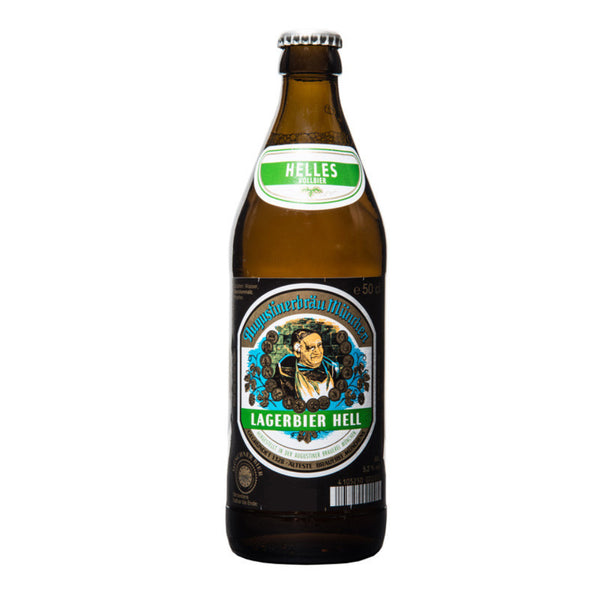
Augustiner

Augustiner, Lagerbier Hell, German Lager, 5.2%, 500ml

Regular Price
£4.15
Sale Price
£4.15
Regular Price
Unit Price
per 

Augustiner

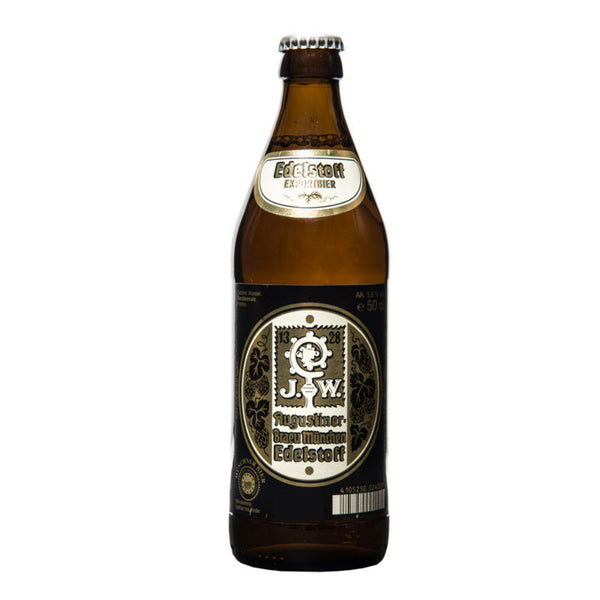
Augustiner, Edelstoff, German Lager, 5.6%, 500ml

Regular Price
£4.15
Sale Price
£4.15
Regular Price
Unit Price
per 

Shneider & Sohn

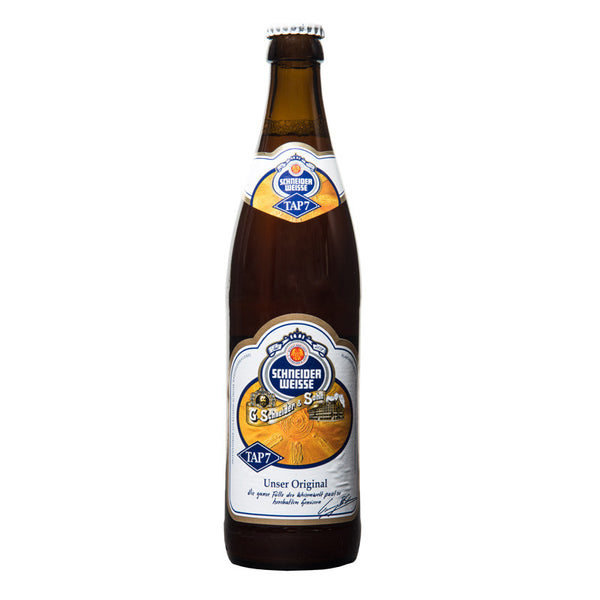
Schneider Weisse TAP 7, German Wheat Beer, 5.4%, 500ml

Regular Price
£4.15
Sale Price
£4.15
Regular Price
Unit Price
per 

Jever

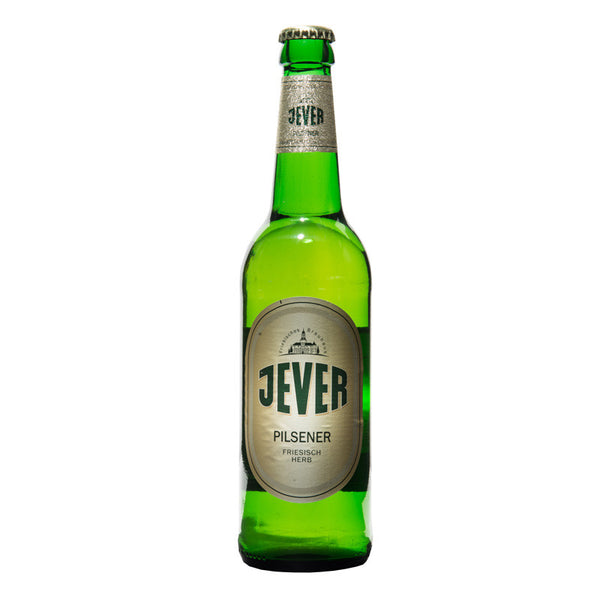
Jever, German Pilsener, 4.9%

Regular Price
from £1.95
Sale Price
from £1.95
Regular Price
Unit Price
per 

Schofferhofer

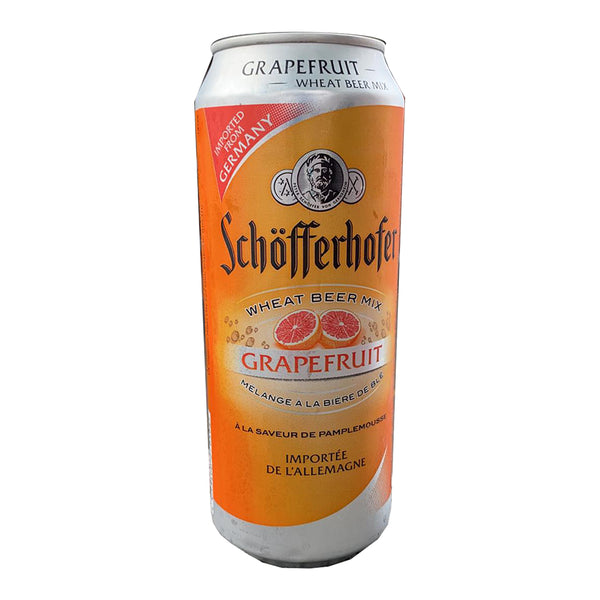
Schofferhofer, Grapefruit Wheat Beer, Radler, 2.5%, 500ml

Regular Price
£2.50
Sale Price
£2.50
Regular Price
Unit Price
per 

Augustiner

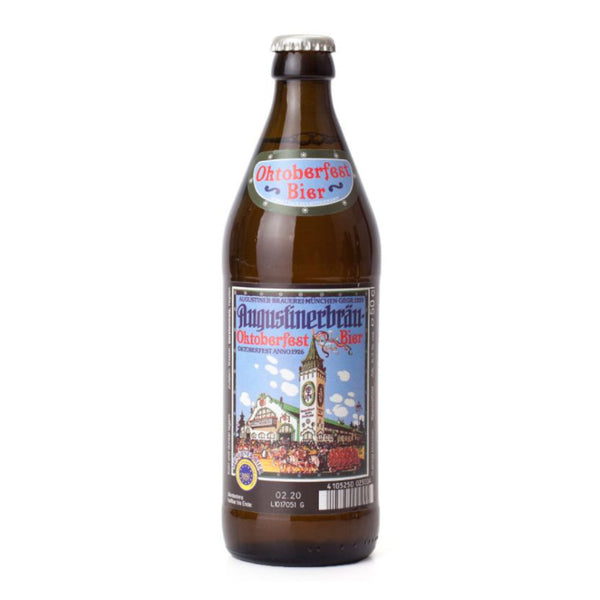
Augustiner, Oktoberfest Bier, German Lager, 6.3%, 500ml

Regular Price
£4.75
Sale Price
£4.75
Regular Price
Unit Price
per 
Sold Out

Spaten

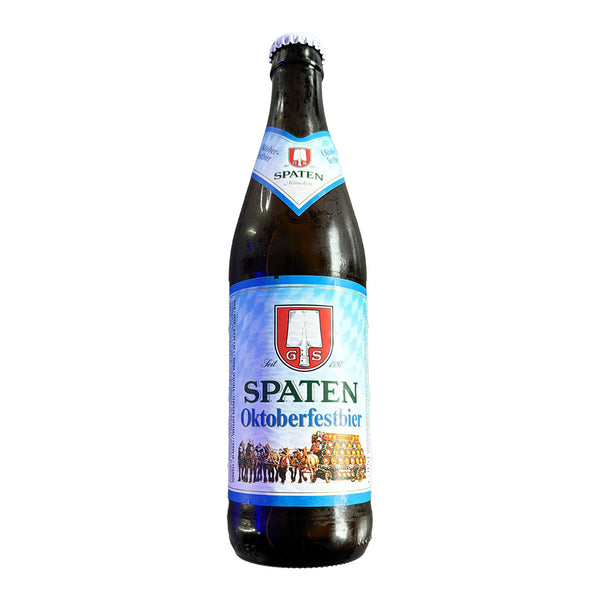
Spaten, Oktoberfestbier, German Lager, 5.9%, 500ml

Regular Price
£4.75
Sale Price
£4.75
Regular Price
Unit Price
per 

Tegernseer

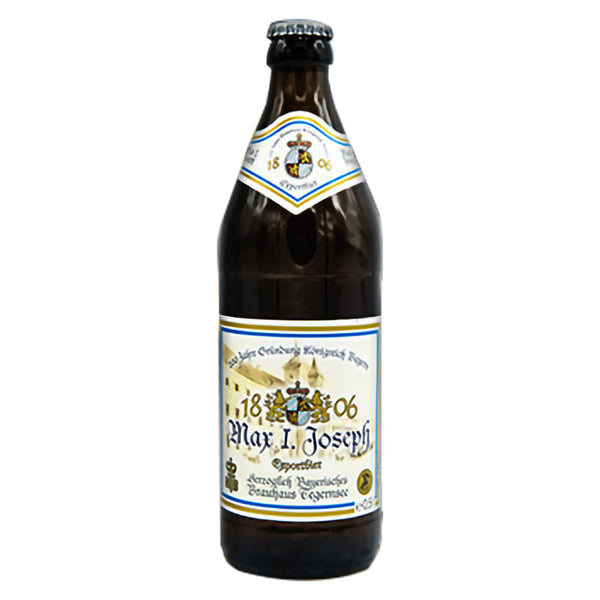
Tegernseer, Max Joseph, Export Bier, German Lager, 5.2%, 500ml

Regular Price
£4.15
Sale Price
£4.15
Regular Price
Unit Price
per 

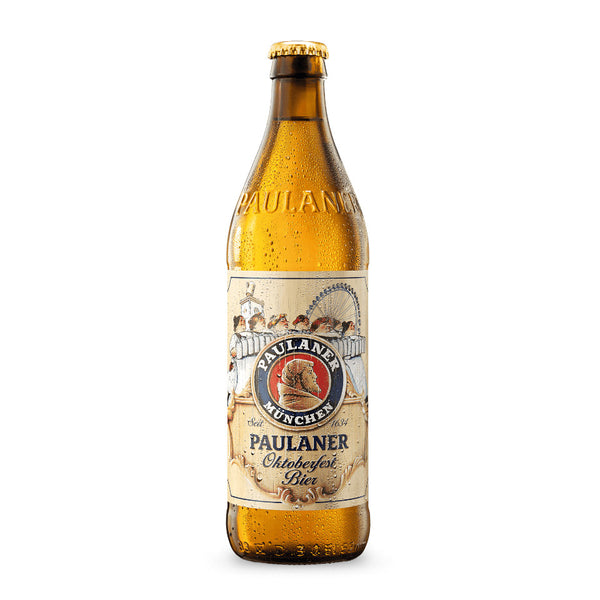
Paulaner

Paulaner, Oktoberfest Bier, German Lager, 6.0%, 500ml

Regular Price
£4.75
Sale Price
£4.75
Regular Price
Unit Price
per 

Shneider & Sohn

Schneider, Bayrisch Hell, German Lager, 4.9%, 500ml

Regular Price
£4.15
Sale Price
£4.15
Regular Price
Unit Price
per 

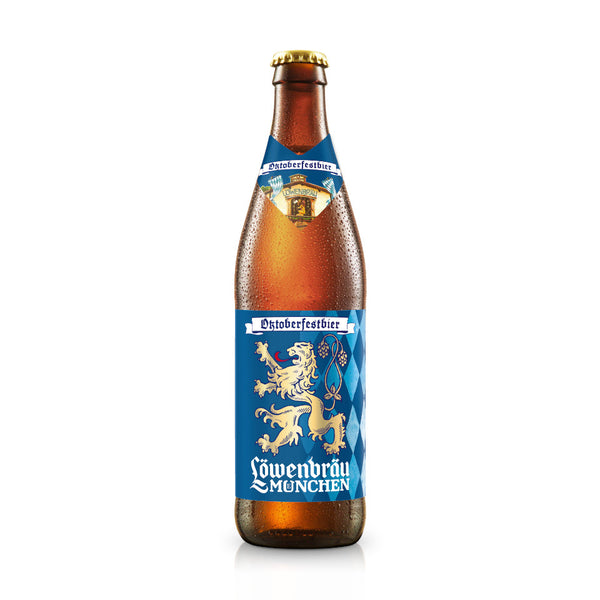
Lowenbrau

Lowenbrau, Oktoberfest Bier, German Lager, 6.1%, 500ml

Regular Price
£4.75
Sale Price
£4.75
Regular Price
Unit Price
per 

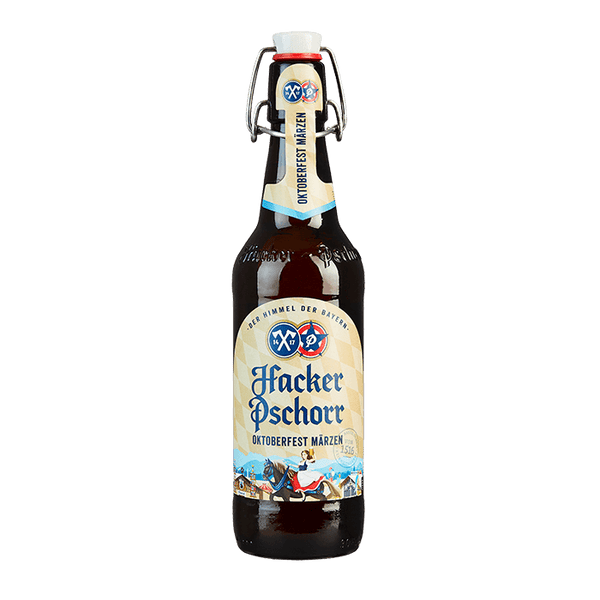
Hacker Pschorr

Hacker-Pschorr, Oktoberfest Bier, German Lager, 6.0%, 500ml

Regular Price
£4.70
Sale Price
£4.70
Regular Price
Unit Price
per 

Flötzinger

Flötzinger, Wies'n-Marzen, Festbier, German Lager, 5.8%, 500ml

Regular Price
£4.90
Sale Price
£4.90
Regular Price
Unit Price
per 

Erdinger

Erdinger, Oktoberfest Weissbier, German Wheat Beer, 5.7%, 500ml

Regular Price
£4.65
Sale Price
£4.65
Regular Price
Unit Price
per 

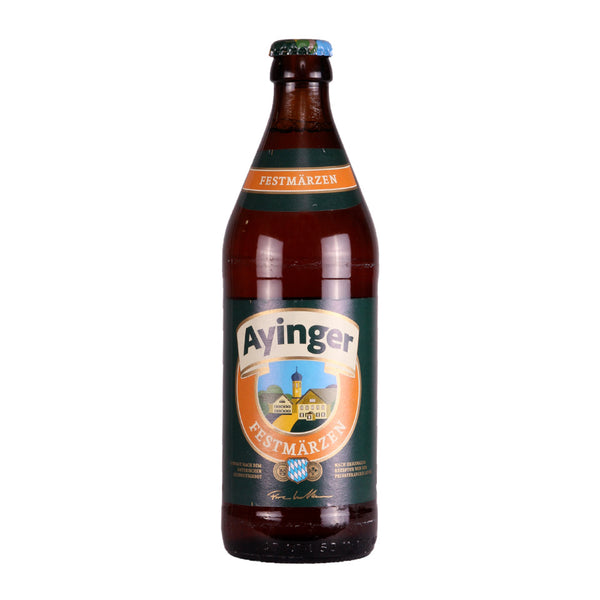
Ayinger

Ayinger, Fest-Marzen, Oktoberfest Marzen Lager, 5.8%, 500ml

Regular Price
£4.50
Sale Price
£4.50
Regular Price
Unit Price
per 

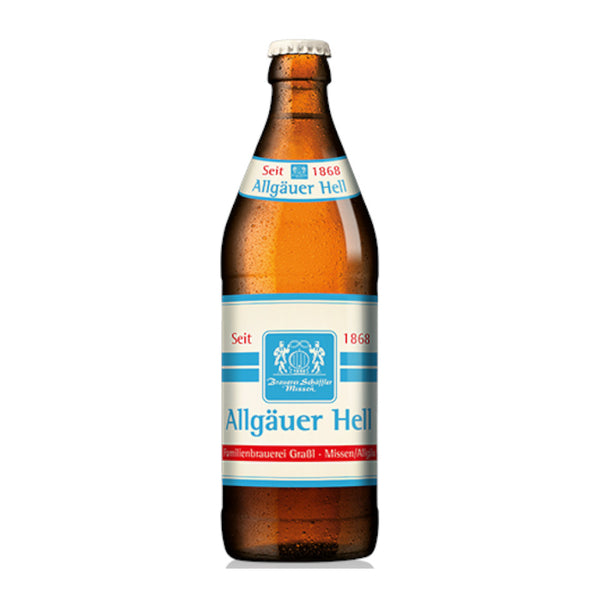
Schaffler Brau

Schaffler Brau, Allgauer Hell, German Lager, 4.9%, 500ml

Regular Price
£4.25
Sale Price
£4.25
Regular Price
Unit Price
per 

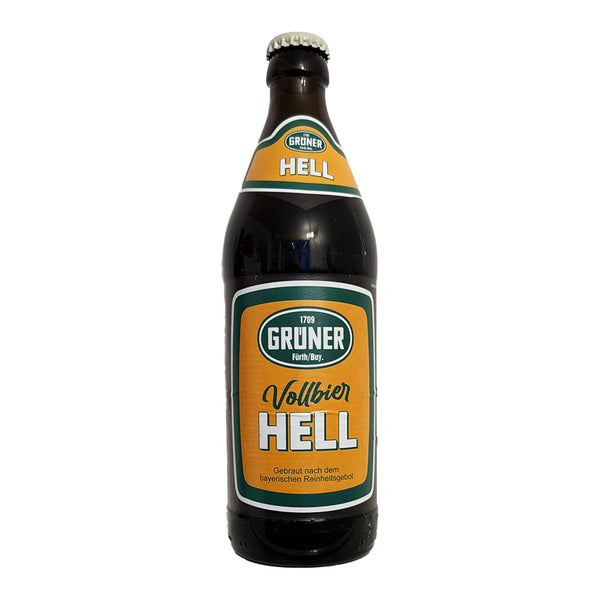
Gruner

Gruner, Vollbier Hell, German Lager, 4.9%, 500ml

Regular Price
£4.25
Sale Price
£4.25
Regular Price
Unit Price
per 

The Epicurean

German Lagers Mixed Case (6 Pack)

Regular Price
£24.75
Sale Price
£24.75
Regular Price
Unit Price
per 

Paulaner

Paulaner, Lemon Radler, 2.5%, 500ml

Regular Price
£2.25
Sale Price
£2.25
Regular Price
Unit Price
per 

Allgauer

Allgauer, Teutsch Pils, German Pilsner 4.8%, 500ml

Regular Price
£4.35
Sale Price
£4.35
Regular Price
Unit Price
per 

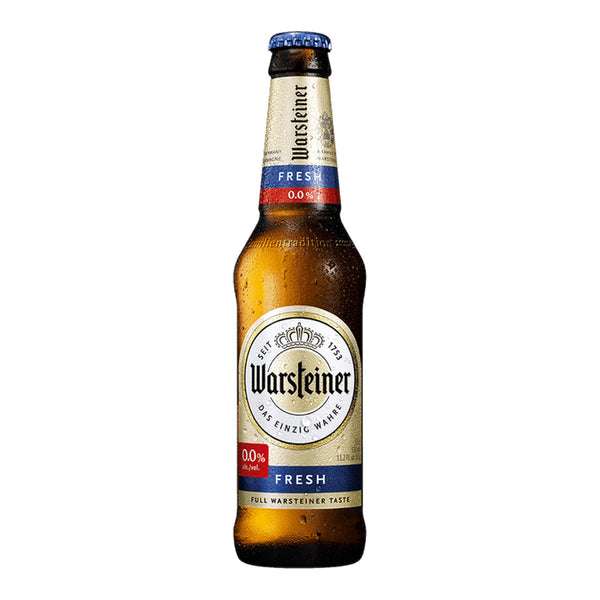
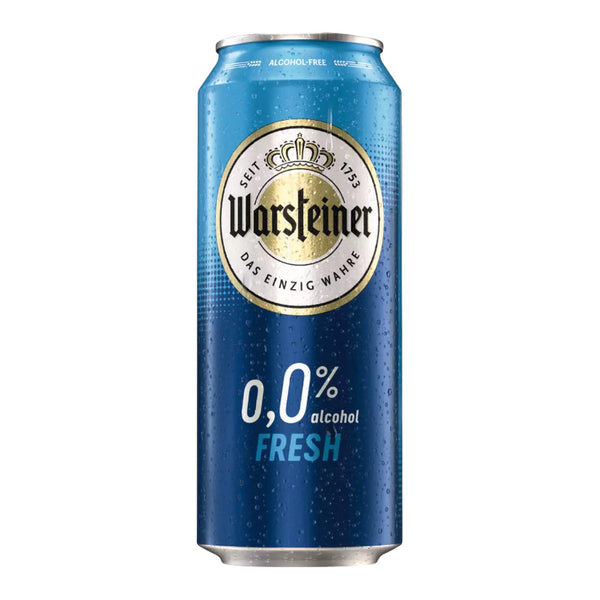
Warsteiner

Warsteiner, Fresh, Alcohol Free Pilsner, 0.0%

Regular Price
from £1.85
Sale Price
from £1.85
Regular Price
Unit Price
per 

The Epicurean

German Lagers Mixed Case (12 Pack)

Regular Price
£49.50
Sale Price
£49.50
Regular Price
Unit Price
per 

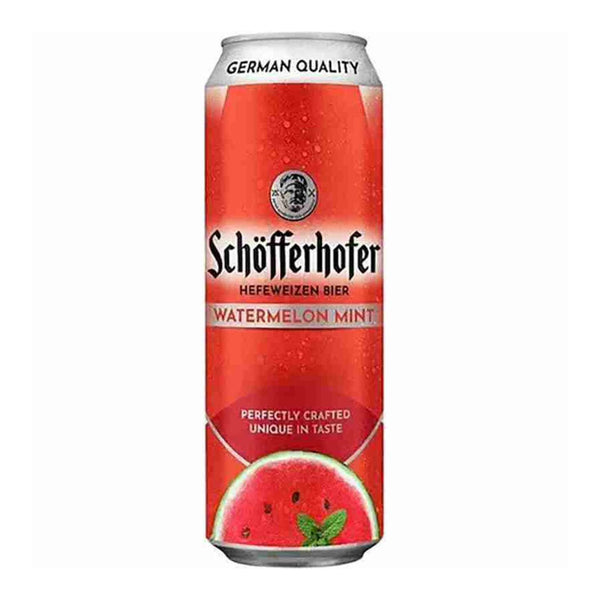
Schofferhofer

Schofferhofer, Watermelon Mint, Radler, 2.5%, 440ml

Regular Price
£2.60
Sale Price
£2.60
Regular Price
Unit Price
per 

Erdinger

Erdinger, Helles, German Helles Lager, 5.1%, 500ml

Regular Price
£4.95
Sale Price
£4.95
Regular Price
Unit Price
per 

What Is German Ale?

Ale is generally made with yeast that ferments at warmer temperatures than lager yeast. This can create noticeable fruit, spice and fermentation character. Germany is widely associated with lager, yet it also has a varied ale tradition shaped by regional tastes.

The term traditional German ale does not describe one fixed flavour or appearance. It includes pale beer, copper ale, cloudy wheat beer and sharp sour styles, connected by top-fermenting yeast and German brewing heritage.

The wider German beers collection also includes Helles, Pilsner, Dunkel, Bock and other lager styles, offering an easy way to compare both sides of the country’s brewing culture.

Top-Fermented German Beer Styles To Know

Traditional ale styles developed regionally, with different balances of malt, hops, yeast and acidity.

Kölsch

Kölsch comes from Cologne and is known for its pale colour, gentle fruitiness and clean, dry finish. It is fermented with ale yeast before cool conditioning, producing a character between traditional ale and crisp lager. Light malt, restrained hops and delicate pear or apple notes are common.

Altbier

Altbier is closely linked with Düsseldorf. Usually copper or amber, it combines toasted malt, light caramel and nutty notes with a firmer hop finish than Kölsch. Cool conditioning creates a smooth profile while retaining subtle fruit character.

German Wheat Ale

Hefeweizen, Dunkelweizen and Weizenbock use a high proportion of wheat alongside malted barley. Their yeast can produce banana, clove, bubblegum and gentle spice notes. The German Beer Weiss range brings these cloudy, lively and aromatic styles together.

Gose And Berliner Weisse

Gose is a tart wheat ale traditionally associated with Leipzig. Coriander and salt can create citrus, spice, acidity and light salinity. Berliner Weisse is usually lower in alcohol, highly carbonated and sharply sour.

What Do These Beers Taste Like?

There is no single flavour. Yeast, grain, hops, water and conditioning all shape the beer. Kölsch can be subtle and crisp, while Weizenbock may be dark, warming and rich.

Common tasting notes include:

• Banana, clove and soft spice in wheat ales

• Bread, biscuit, caramel and toasted grain in Altbier

• Pear, apple and gentle citrus in Kölsch

• Lemon, coriander and mild saltiness in Gose

• Tart fruit and a dry finish in Berliner Weisse

• Dark fruit, toffee and warming spice in stronger wheat beer

If you prefer a clean, bitter finish, the Pilsner beers collection offers a useful comparison with these yeast-led styles.

Ale And German Lager: What Is The Difference?

The main difference is fermentation. Ales use top-fermenting yeast and usually ferment at warmer temperatures. Lagers use bottom-fermenting yeast followed by cool conditioning, often creating a cleaner taste.

Not every ale is fruity and not every lager is light. Kölsch is a crisp ale, while Doppelbock is a rich, strong lager. Both families also contain pale and dark beer.

Ale from Germany is a good starting point if you enjoy expressive yeast flavours, wheat-led texture, toasted malt or refreshing acidity. Lager may suit drinkers looking for a cleaner finish.

Seasonal German lager has its own character. The Oktoberfest beer selection features smooth, malt-led Festbier and related styles traditionally associated with Munich’s famous celebration.

How To Buy Ale Online

When you buy ale online, start with a flavour you already enjoy. Kölsch is an accessible introduction for lager drinkers. Wheat beer has a soft body, lively carbonation and fruity yeast notes. Altbier brings toasted malt and bitterness, while Gose and Berliner Weisse suit those drawn to tart beer.

Check these details before choosing:

• Style: The clearest guide to likely flavour and texture.

• ABV: Lighter styles may sit around 3% to 5%, while Weizenbock can be stronger.

• Tasting notes: Look for fruit, spice, malt, hops or acidity.

• Pack size: German beer often comes in 500ml bottles, although formats vary.

• Serving guidance: Some unfiltered beers are intended to include their yeast sediment.

Anyone reducing their alcohol intake can compare the collection with non-alcoholic beer from Germany, including options shaped by the same brewing heritage.

Food Pairings For German Beer Styles

These beers work well at the table. Light Kölsch suits grilled fish, roast chicken, salads and mild cheese. Its dry finish will not cover delicate flavours.

Altbier has enough toasted malt and bitterness for sausages, roast pork, burgers and mature Cheddar. Hefeweizen pairs naturally with white sausage, soft pretzels and lightly spiced dishes, while its carbonation cuts through richer food.

Try Gose with seafood, goat’s cheese or food flavoured with lemon and fresh herbs. Its acidity and gentle salt character keep the pairing light. Stronger Weizenbock stands up to roast meat, blue cheese, fruit cake or caramel desserts.

For a present, a mixed selection can be easier than choosing one unfamiliar style. The beer gifts range includes options suited to birthdays, celebrations and drinkers keen to try something new.

Serving And Storing Your Beer

Store bottles and cans upright in a cool, dark place. Lighter styles often taste best fresh, particularly aromatic wheat beers and lower-strength sour styles.

Serve Kölsch and Berliner Weisse well chilled. Let darker or stronger beer warm slightly so its malt and yeast character becomes clearer. Pour wheat beer slowly into a tall, curved glass with room for its large foam head.

Unfiltered wheat ale may contain harmless yeast sediment. Leave it behind for a clearer pour or gently roll the closed bottle if the brewer recommends serving the yeast.

Buy Ale Online From The Epicurean

The Epicurean makes it easier to buy German ale online with clear product information across the collection. Compare styles, ABVs and tasting notes, then choose crisp Kölsch, malty Altbier, aromatic wheat beer or a tart regional speciality.

The selection changes as new beers arrive, bringing established breweries and less familiar releases into the range. Choose individual bottles and cans for a mixed case or select a gift for someone interested in European brewing. Browse the latest arrivals and find a style that matches the flavours you enjoy.

Frequently Asked Questions

Is ale the same as German beer?

No. German beer includes ales and lagers. German ale refers to top-fermented styles such as Kölsch, Altbier, Hefeweizen, Gose and Berliner Weisse.

Is German wheat beer an ale?

Hefeweizen, Dunkelweizen and Weizenbock are ales. Their top-fermenting yeast commonly creates banana, clove and spice aromas.

What is the lightest style?

Kölsch and Berliner Weisse are among the lightest choices. Kölsch is crisp and delicately fruity, while Berliner Weisse is often lower in alcohol and tastes tart.

Should it be served cold?

Most styles should be chilled, although ice-cold temperatures can hide flavour. Darker and stronger wheat beers benefit from warming slightly in the glass.

Which style is best for someone new to German beer?

Kölsch is a friendly starting point for lager drinkers. Hefeweizen suits those who enjoy a soft texture and noticeable banana and clove notes.